Category Archives: Other Crafty Things

Made by Hand: No Knead Bread

no knead bread

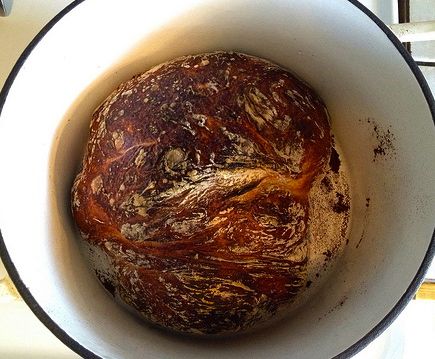
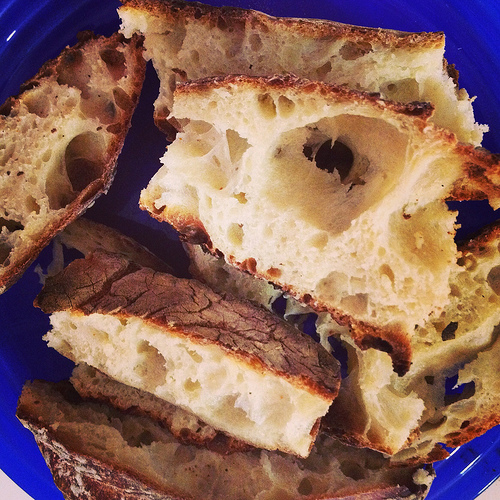
I baked a loaf of artisan bread this weekend using the no-knead bread recipe by  Jim Lahey, via NY Times and my new enameled cast iron dutch oven that was a gift from my sister and mom. It smelled amazing while baking and it turned out pretty good, but not perfect.  The recipe calls for the dough be left to rise on a flour-coated cotton towel for the last two hours before baking, and then you overturn the loaf into the dutch oven, freeing it from the towel.  When I did this move, the loaf  was still a little sticky and suck to my towel, mis-shaping it a little and creating a big mess out of my kitchen towel.  I think maybe I needed a little more flour in that step, but I’ll certainly look forward to trying this recipe again next weekend.

8608778092_46fd2ed6b3

Naturally Dyed Eggs For Easter

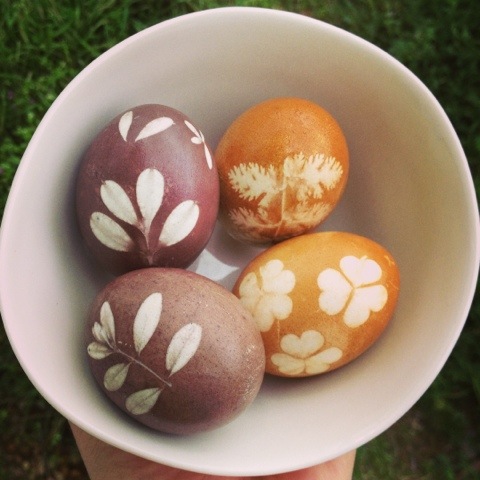
I made a few more naturally dyed eggs for Easter this year using the same method I used last year. For the purple eggs, I used blueberries and for the orangey-brown I used onion skins and a little added paprika.

20130330-140202.jpg

Tagged , , , , ,

Road Blocks

I’ve come across a road block in a knitting design I’m working on and I’m still unsure about what direction I want to take. This has left me without any actual knitting to work on these past few nights and I’ve started to feel frustrated and uncreative.

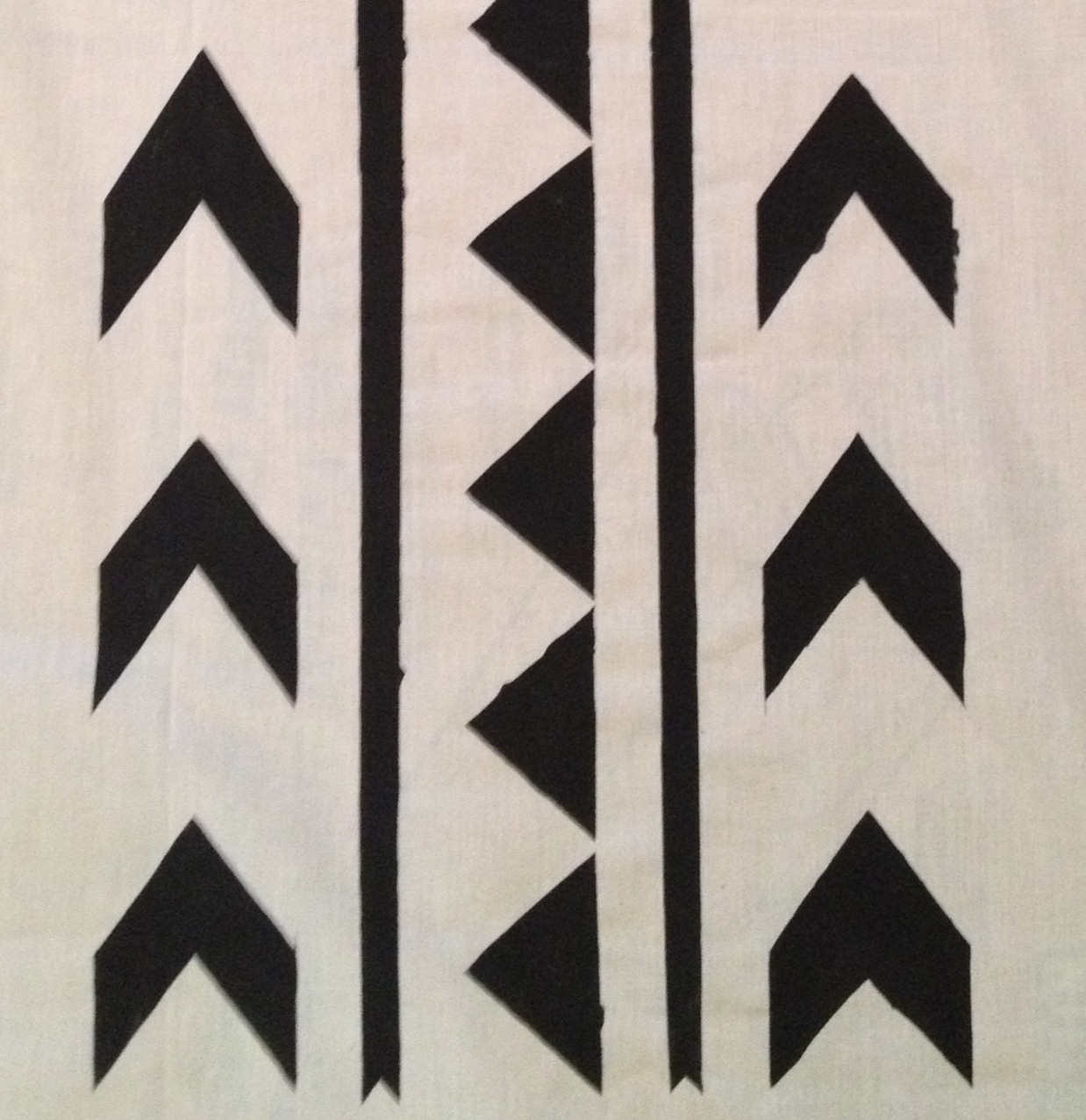
Fortunately, inspiration struck and although it wasn’t an solution for the knitting design, it was an idea for a fun crafty project for the house that I’ve been wanting to do for a while.   A little fabric, a little paint, and a handmade stencil just made everything better.  Here’s a little sneak peek as I’m not quite done with this yet, but I’m having such a good time doing something creative after the recent knitting block.

 photo16

Tagged , , ,

How To: Plant Cactus Cuttings

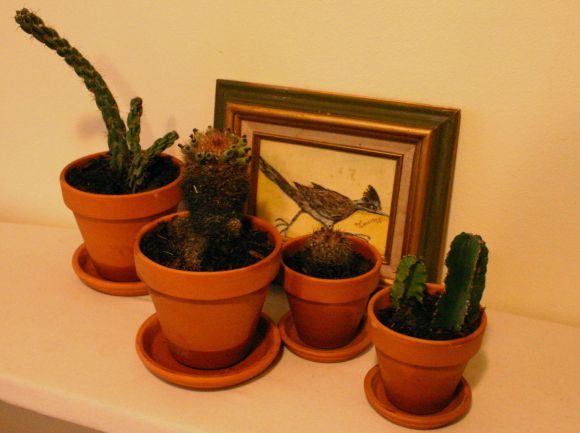
cacti3

I’ve been wanting a few cactus plants for my home as they are super low maintenance, which is my kind of houseplant.  It’s pretty easy to replant cactus cuttings, so I thought I’d share my process.

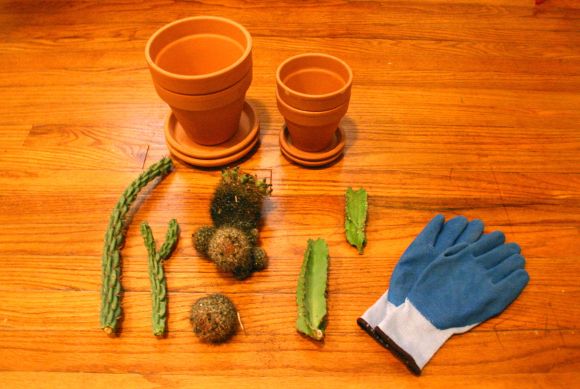
Cactus1

I gathered some cuttings while I was out visiting my parents’ ranch over the holidays.  My mom and dad helped me pick out the different types that you see above.  You will also want some pretty heavy duty gloves to protect from their barbs.

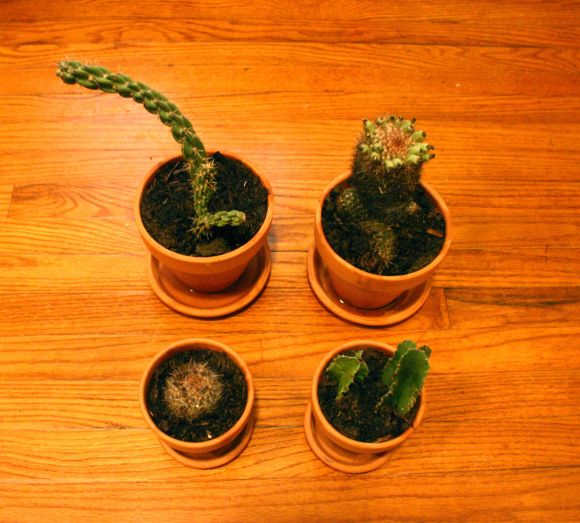
I read online that a cutting needs to develop a “callus” at the cutting site before you replant it, otherwise it is likely to rot.  I left these cuttings out for a week for that purpose.  Then I filled my terra cotta pots halfway with slightly damp soil, and gently placed each cactus cutting into the soil and held it upright as I poured additional soil around the base of the cactus.  I lightly watered the rest of the soil after filling the pot to the rim and there you have it:  rugged greenery for your home.

cactus2

Tagged , , ,

How To: Make a Pom Pom

Oh the pom pom.  I’m seeing them everywhere these days.  They are such a fun way to embellish knits, crafts and even use in home decor. Here’s a simple way to make your own pom poms.

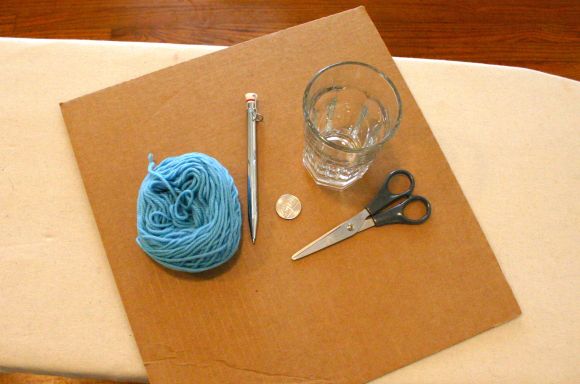
Materials:

Yarn: I find it best to use yarns with plies that don’t unravel- that way your pom won’t have frayed edges.  Wool is my favorite go-to yarn for making poms.  The yarn pictured is Cascade 220.

Cardboard: for making a reusable pom pom template.

Scissors: a sturdy pair that will cut easily though cardboard.

Glass, or a circular object for tracing circles onto cardboard.  Your circle diameter will be the approximate size of your finished pom.  The finished pom shown is around 3 inches in diameter.

Quarter, or other small circular object for tracing smaller circles onto cardboard.

Pen: for tracing

Step One:

Gather all materials listed above.
step1

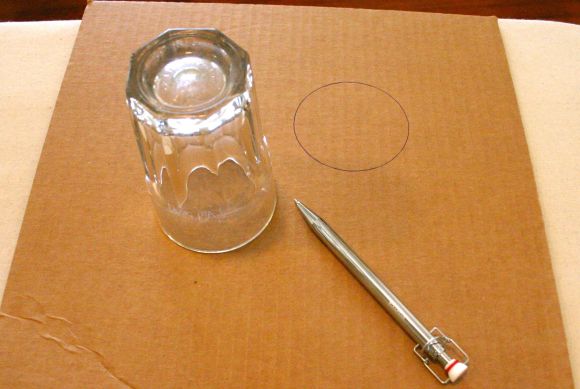
Step Two:

Trace two large circles onto cardboard using the glass as a guide.
tracing circles 1

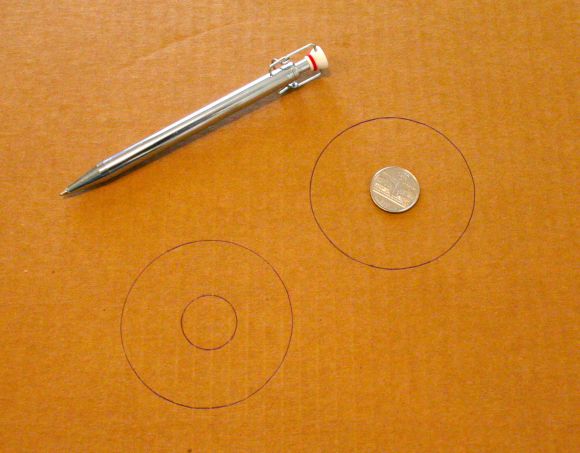
Step Three:

Trace a smaller circle in the center of each larger circle using the quarter as a guide.
tracing circles 2

Step Four:

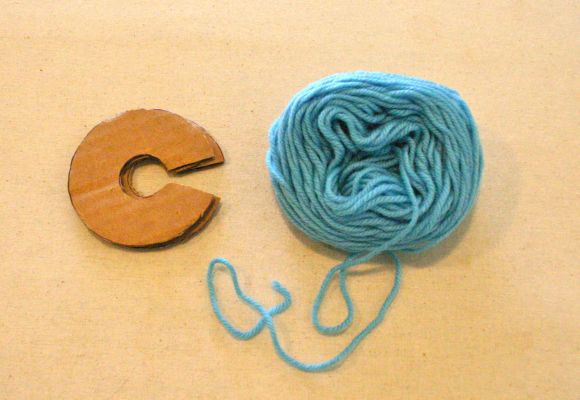
Cut out the cardboard circles, cutting a 1/2 inch wide wedge opening on one side of each circle.
circles

Step Five:

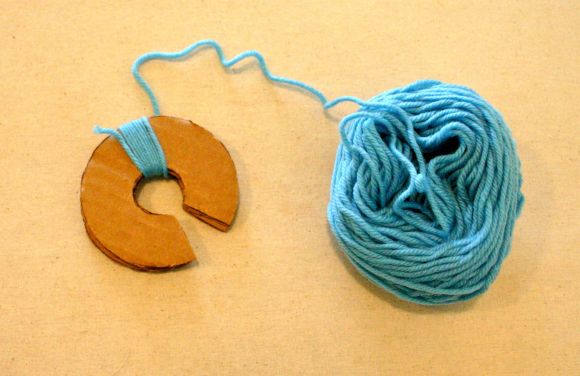
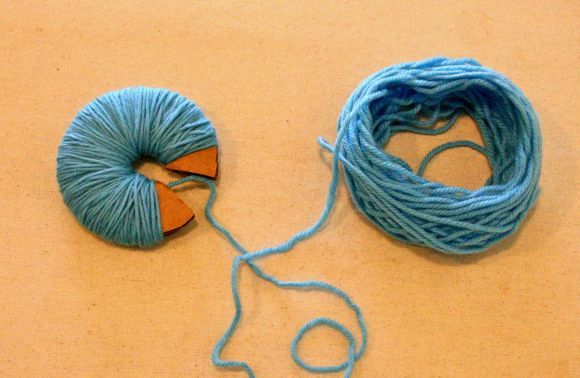
Holding both cardboard circles together, start wrapping the yarn around the circles.  Make sure to cover all of the cardboard and wrap many layers of yarn; the more yarn you use, the fluffier your pom poms will be.
wrapping 1

wrapping3

Step Six:

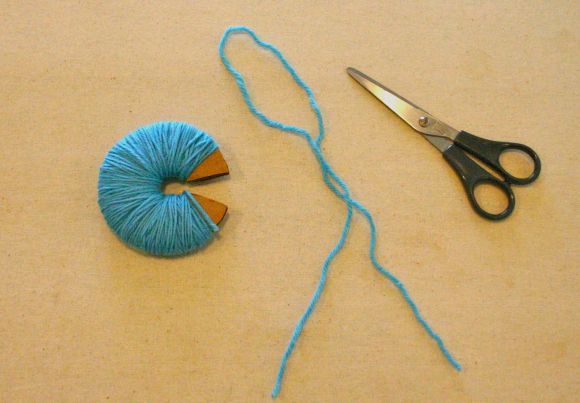
Once finished wrapping, cut the yarn end.  Cut a length of yarn about 10 inches long and set aside for later.
length of yarn

Step Seven:

Place your thumb in the center of the circle to secure yarn and start cutting the edges of the yarn by guiding the scissors between the two pieces of cardboard.
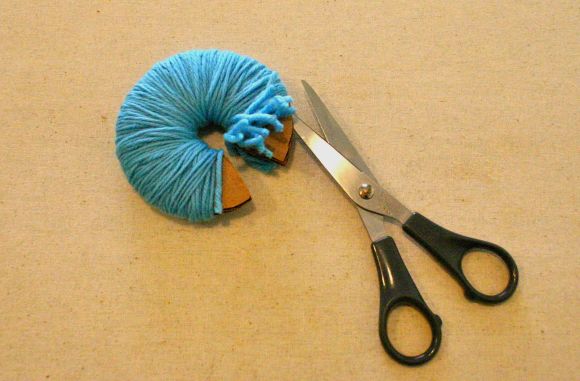
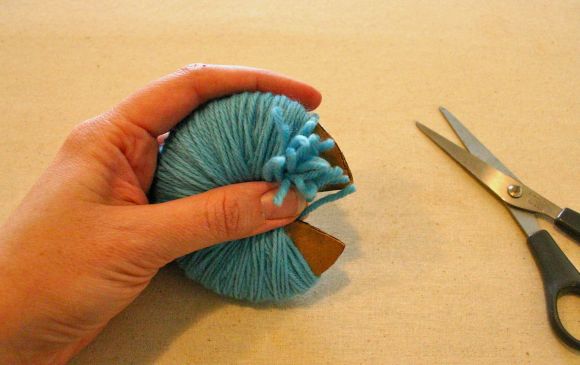
cutting1

cutting2

Step Eight:

After cutting about half of the yarn, slide the length of yarn you set aside between the two pieces of cardboard to start securing the cut pieces of yarn.  Make sure not to let any cut pieces get loose.  Continue cutting all of the yarn that is wrapped, and tighten the length of yarn around the center, gathering all cut ends tightly.  Tie in a few knots to secure.
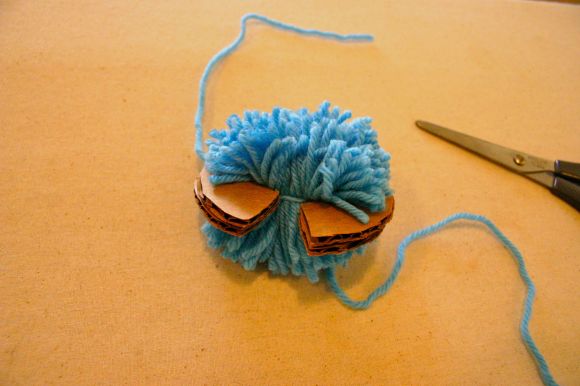
secured

secured3

Step Nine:

Remove the cardboard circles and fluff your pom pom into a circular shape.  Trim any long ends.
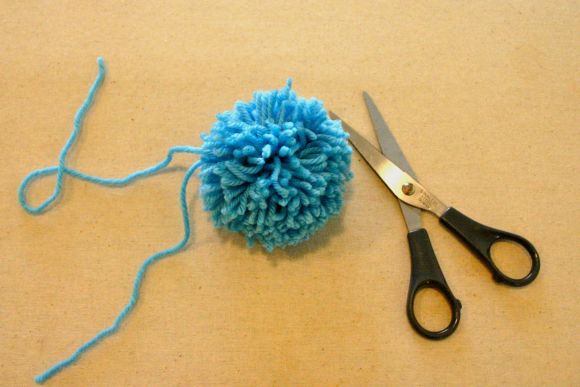
trimming

Step Ten:

POM IT UP!

pomitup

What will you pom?

Tagged , , , , , ,

Pom Pom Quarterly

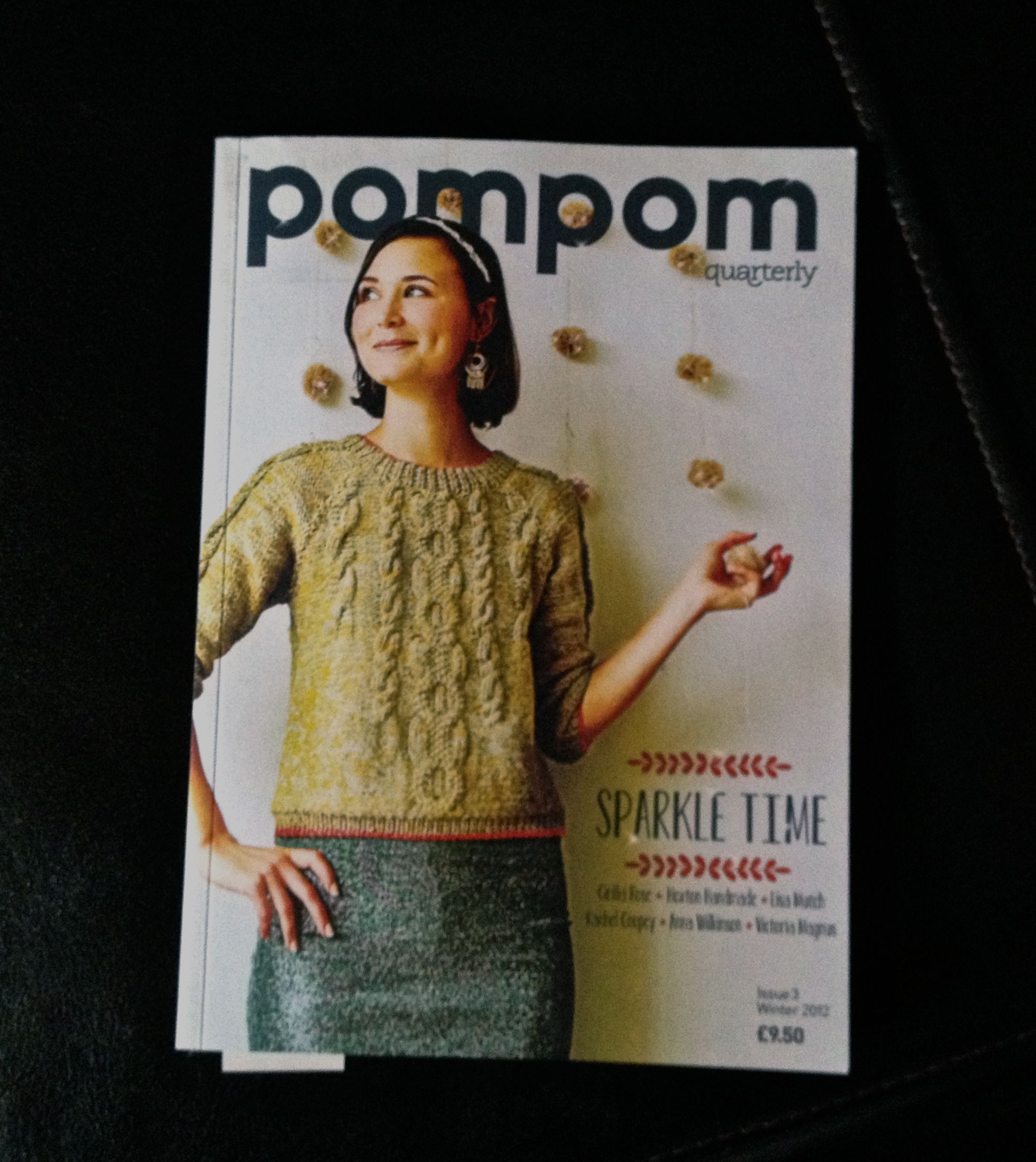
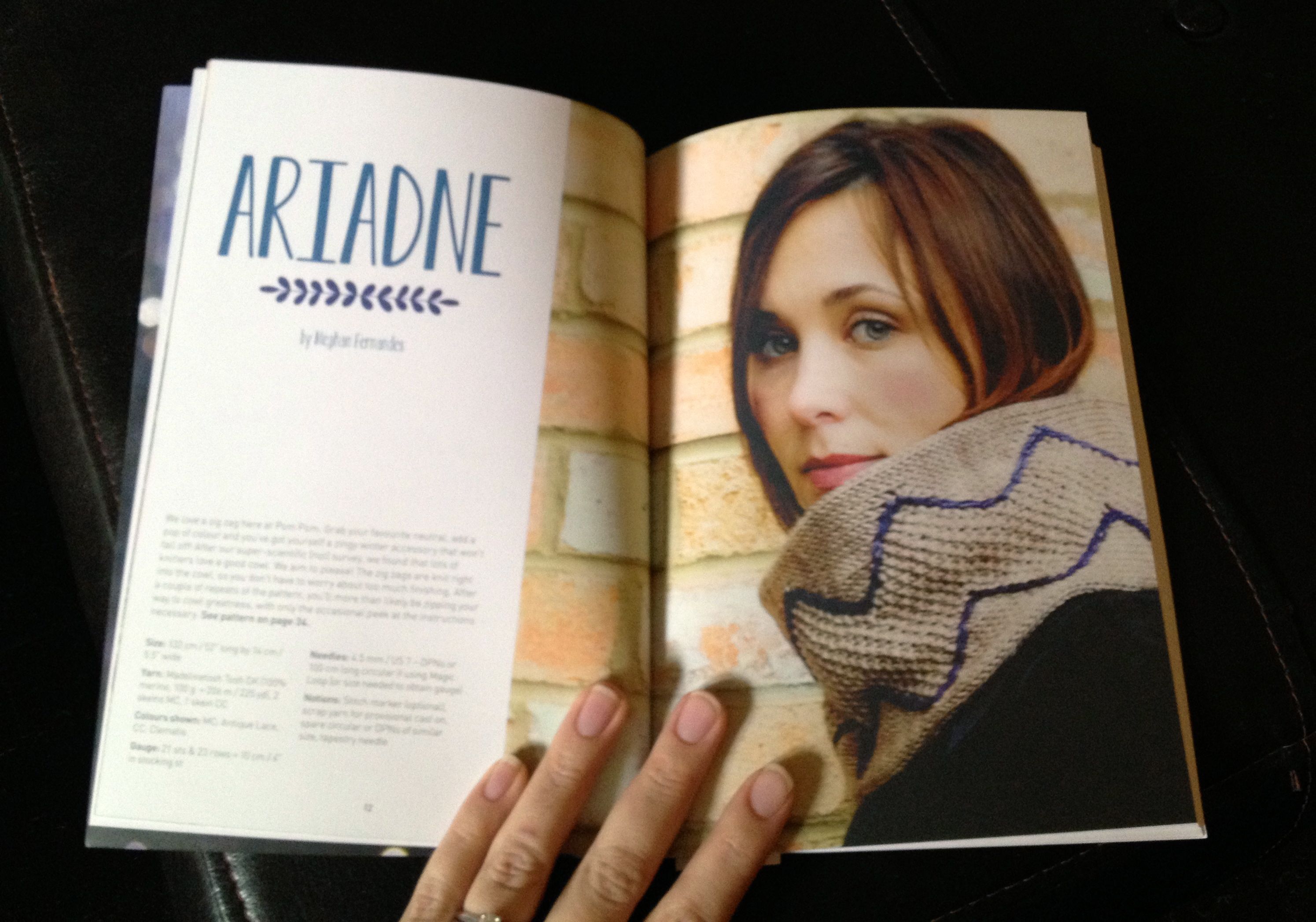
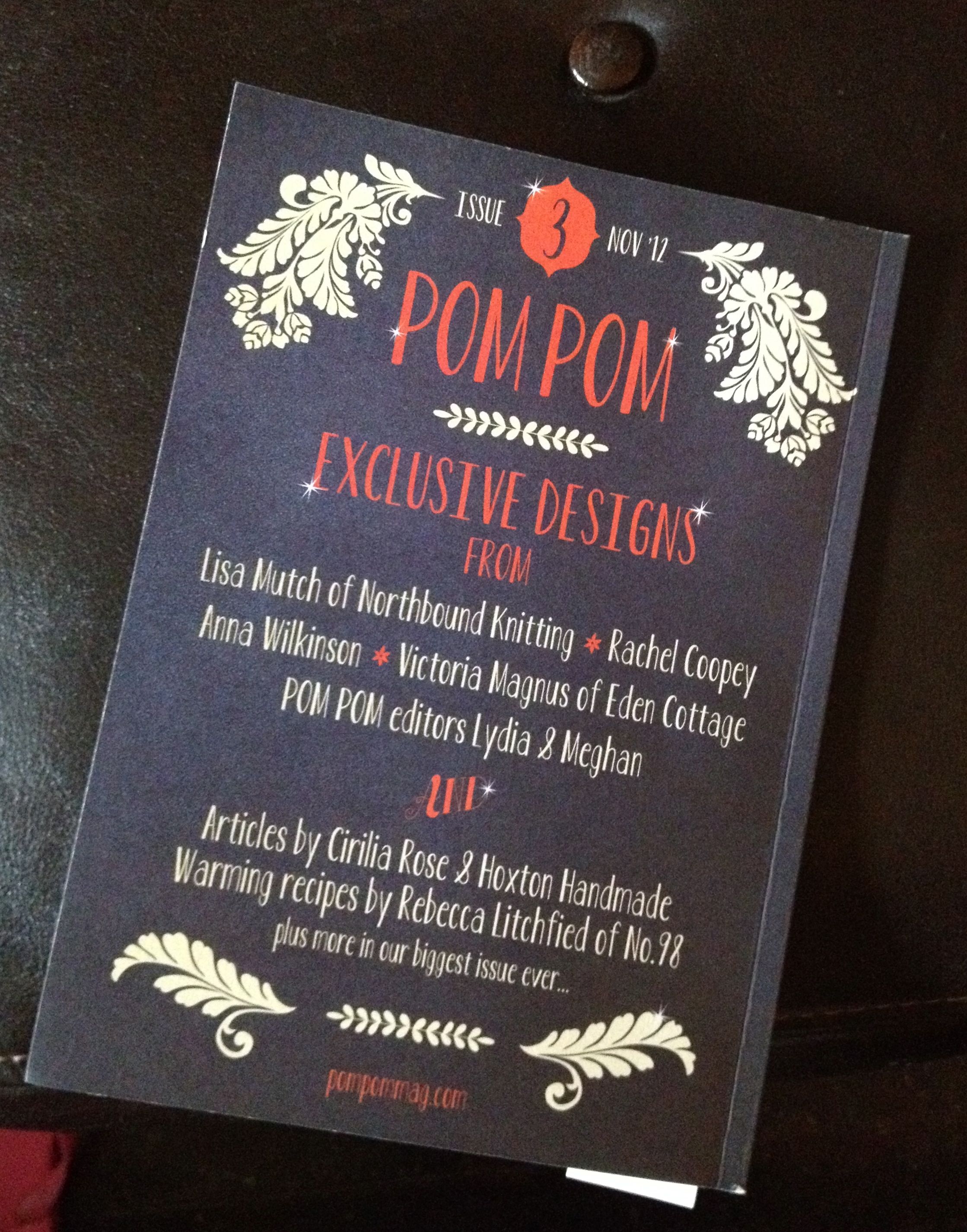
Have you heard of the new knitting/craft/food/drink/music/art magazine Pom Pom Quarterly yet?

I came across Pom Pom on Ravelry and was instantly smitten with what these lovely London ladies are doing; this is a beautifully designed/laid out/photographed and printed magazine that is so different than your typical knitting mag.

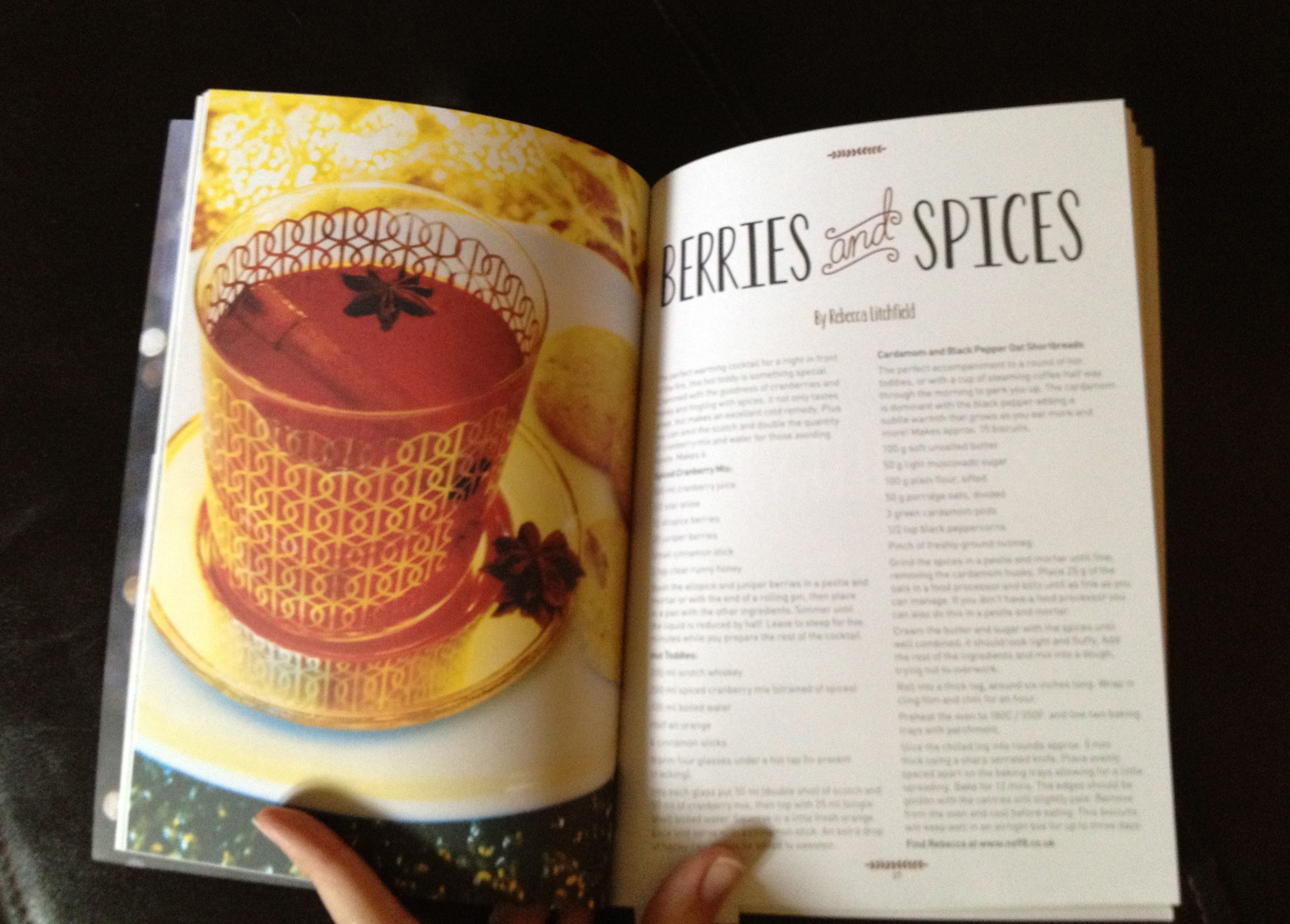
The patterns are interesting and ones that you’d actually want to knit AND wear and they are photographed and styled so beautifully.  Plus, there are food and cocktail recipes, a bit of music love and some great articles that you want to read while snuggled under your favorite knitted throw.  (That’s what I did!)

There is a lot more to this great new publication, but I don’t want to show you everything here, because I think you should hop on over and buy an issue or subscribe and support what these fabulous ladies are making.  Something this great doesn’t come along too often, but I’m very glad to see that it has.


Tagged , , , , , , , , , , , , ,

Etsy Denton Handmade Harvest Haul

I spent a little time this afternoon perusing the local handmade wares at the Etsy Denton Handmade Harvest event.  I came away with plenty of cards so I can keep track of the shops that I liked, and I bought two items that I couldn’t pass up.

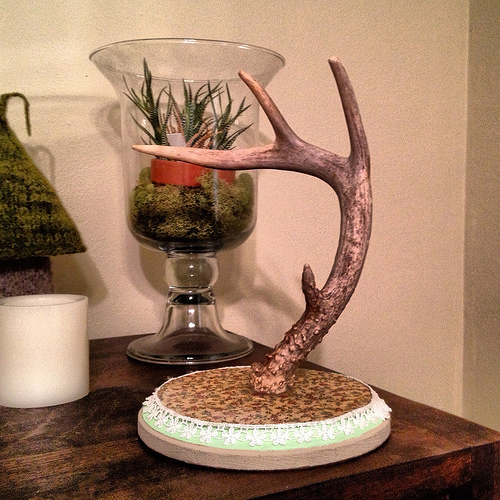
The first is this great deer antler piece from wunderkammer culture


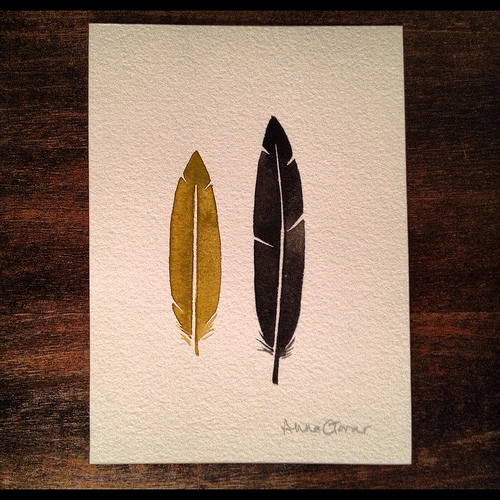
And the second is this lovely feather print by Anna Tovar 


And here’s some link love for some of the other shops that I really enjoyed:

Rachel Elise bags

Infinite Bluebird jewelry

Quilts by Emily


Tagged , , , , , , , , , ,

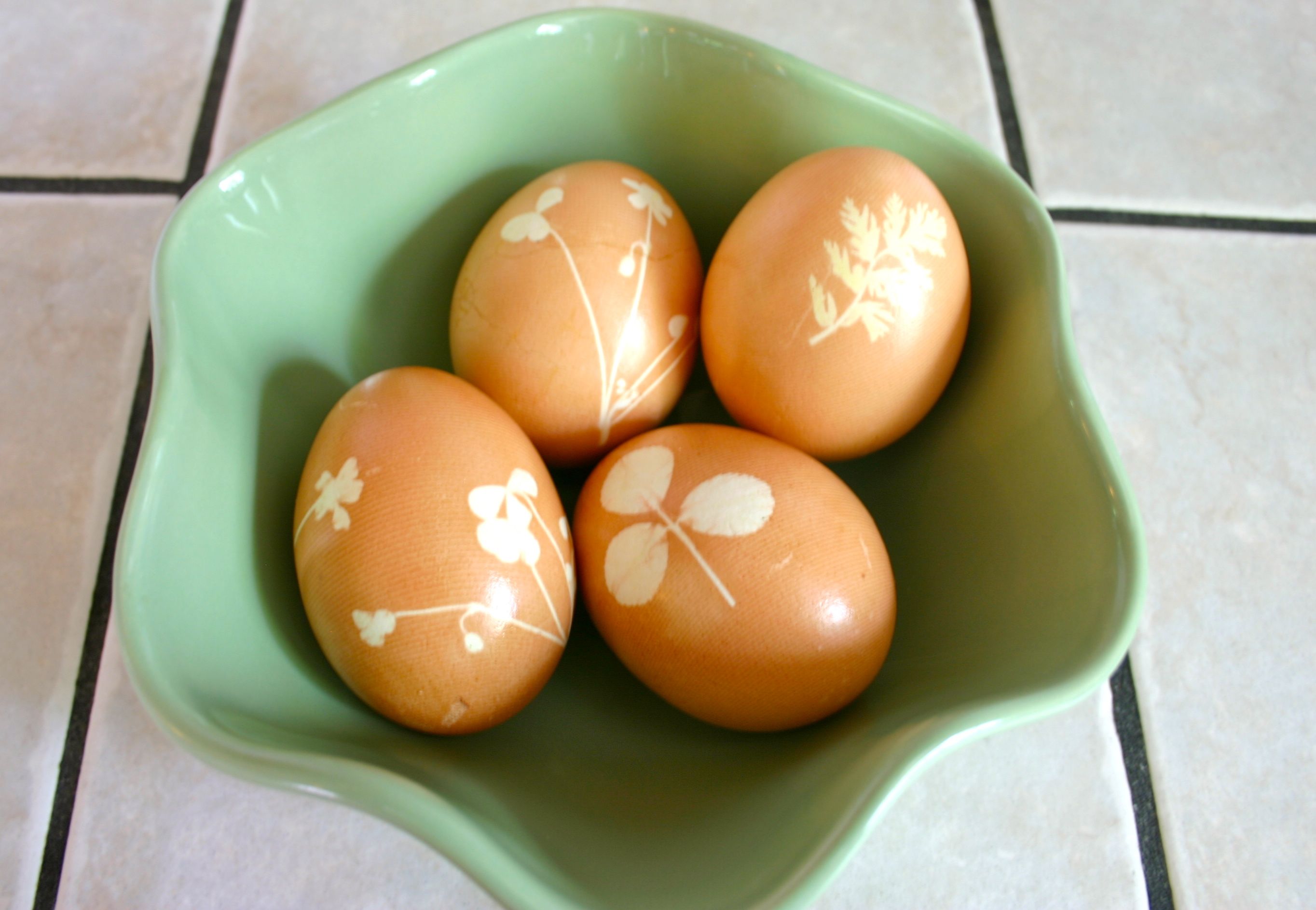
Naturally Dyed Eggs

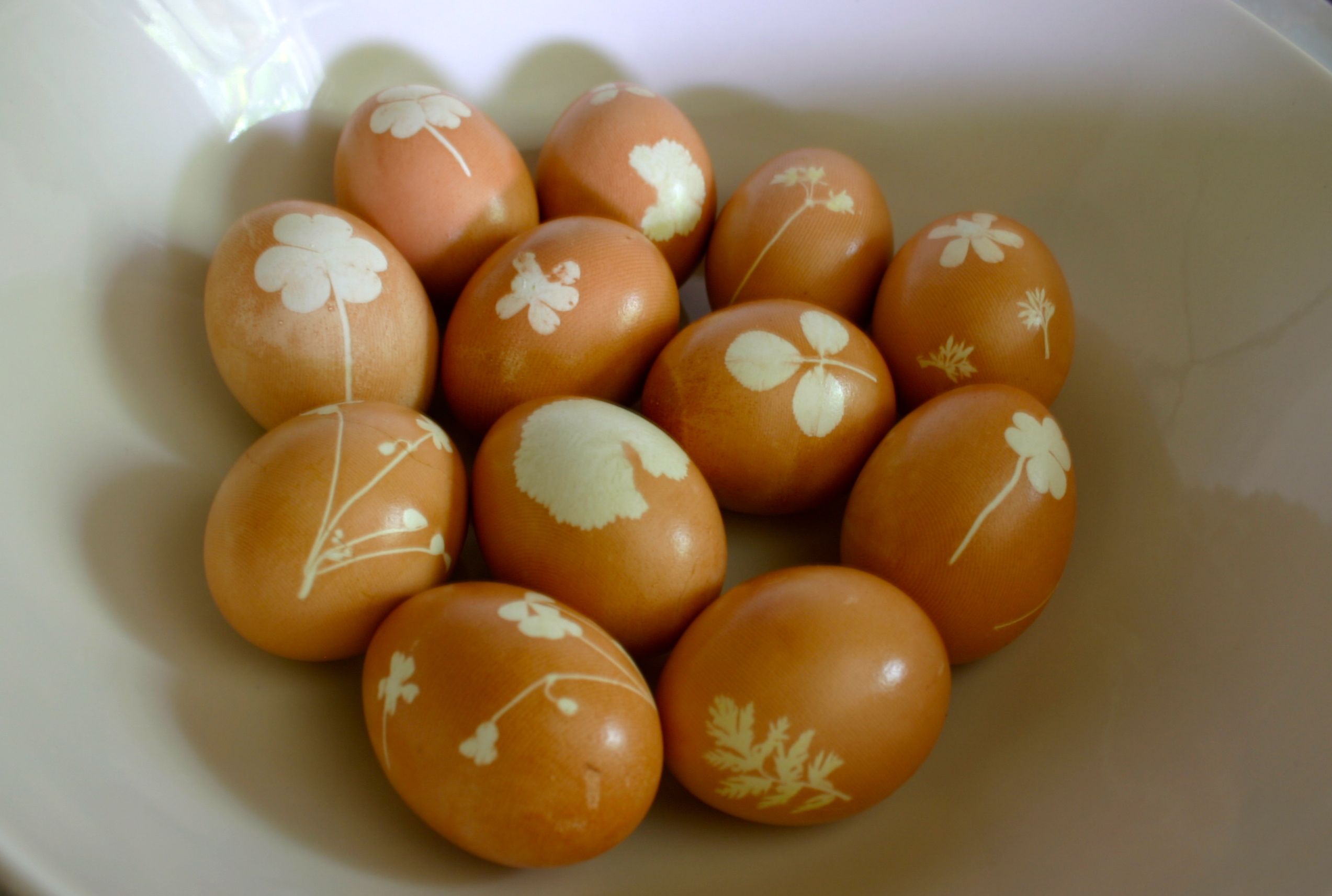
I found a way to make beautiful, naturally-dyed eggs.

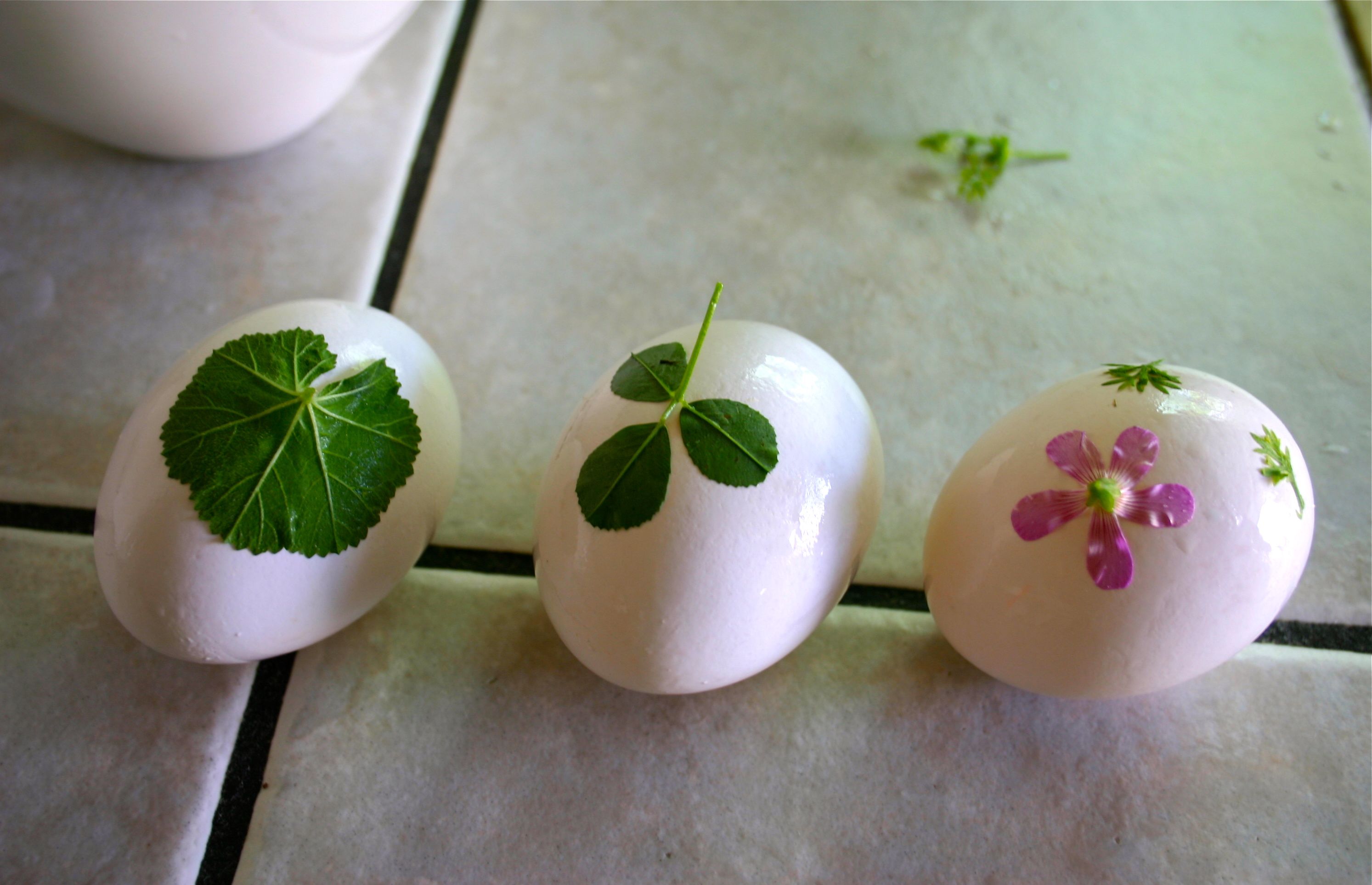
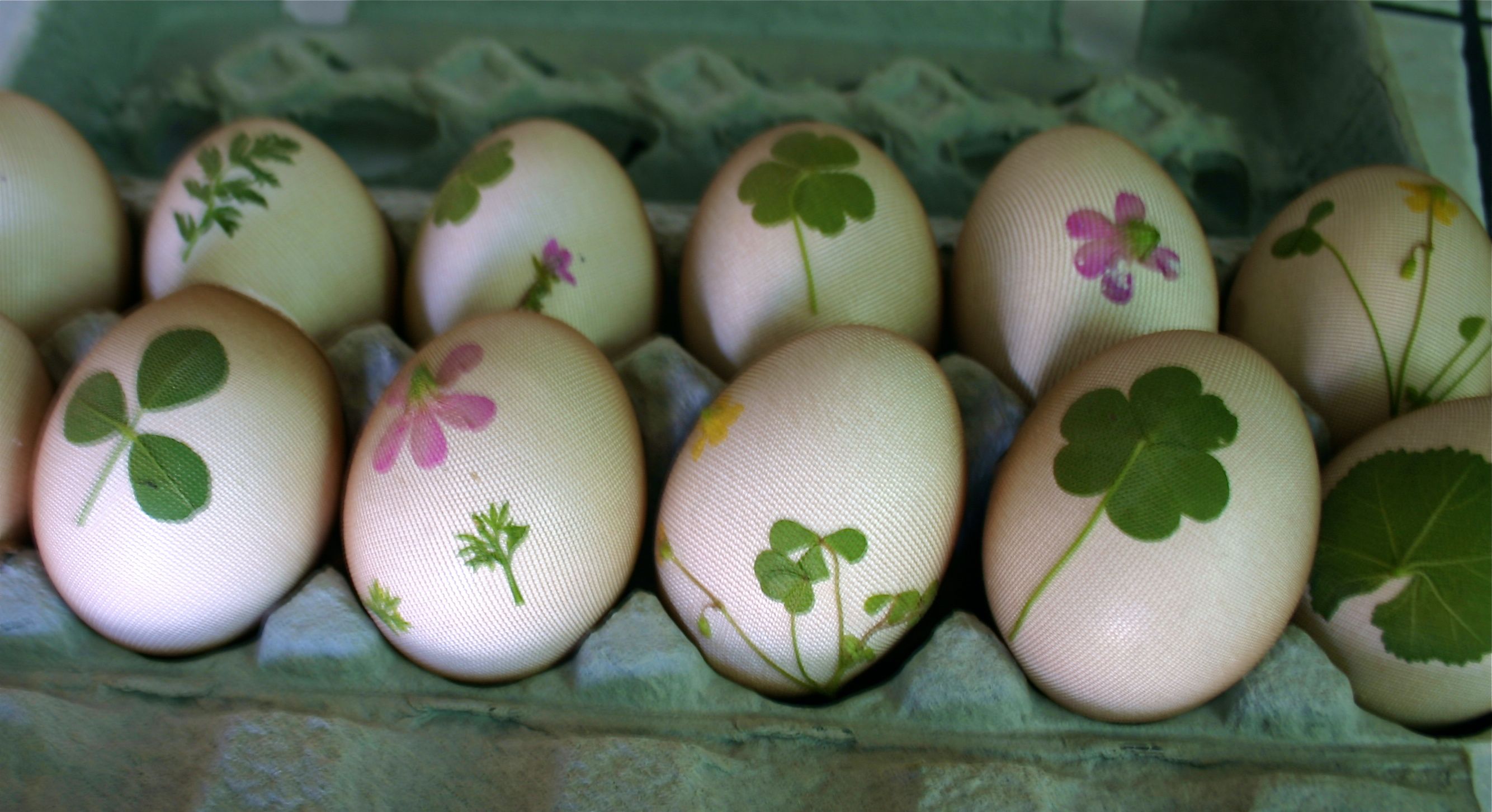
Take some small cuttings from around your home- I found lots of clover and little blooms near mine.  Make sure to use small plants that will flatten easily onto the eggs.  I dampened my eggs so that the leaves would stick nicely. Use raw eggs, as they will cook and dye at the same time.

Cut a small square of pantyhose and stretch around your egg, wrapping the excess fabric with a rubber band.

Cover the bottom of a stock pot with the outer peel of a few yellow onions.  Carefully lay your eggs on top and cover with another layer of onion peel.  Add enough cold water to cover the top of your eggs, add a few tablespoons of vinegar and a few shakes of paprika.  Heat until just barely boiling- you don’t want your eggs moving around too much, and simmer for fifteen minutes.  Remove from heat and let sit for another fifteen minutes.  Rinse with cold water and carefully remove the wrappings.

Share with someone you love and take time to notice the beauty that this time of year brings.

Tagged , , ,